Vision
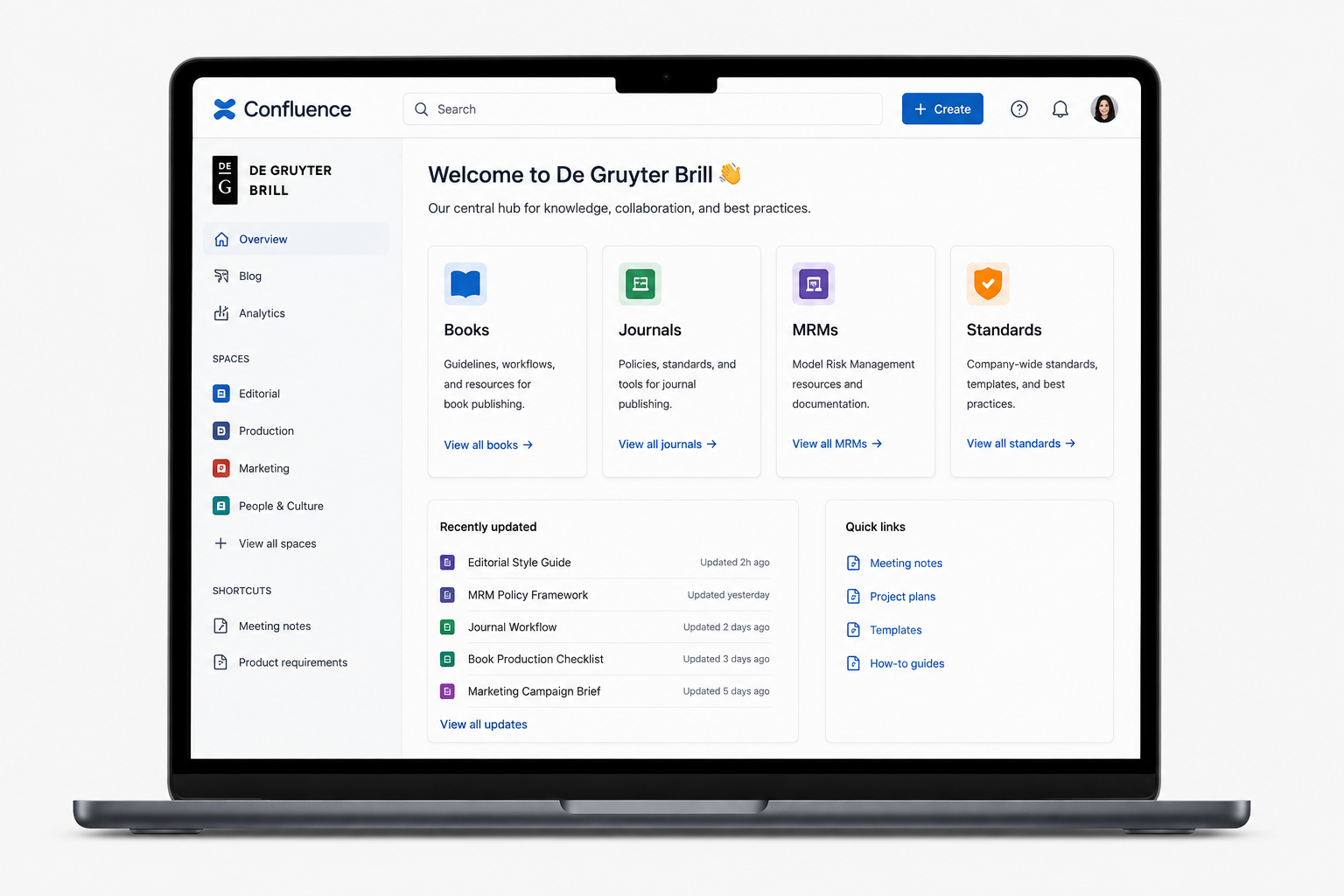
Establish one structured, searchable Production Wiki in Confluence for both organisations, where internal teams can edit, external vendors can read, and everyone works from the same reliable source of truth.

Scope
- Build and launch a central production intranet (wiki) to replace legacy systems (Brill Connect / DG DokuWiki).
- Provide structured spaces for Books, Journals, MRWs, and Data Standards.
- Implement governance, tagging, and navigation strategy.
- Enable consistent documentation, ownership, and long-term maintainability.
The work

The Team
-
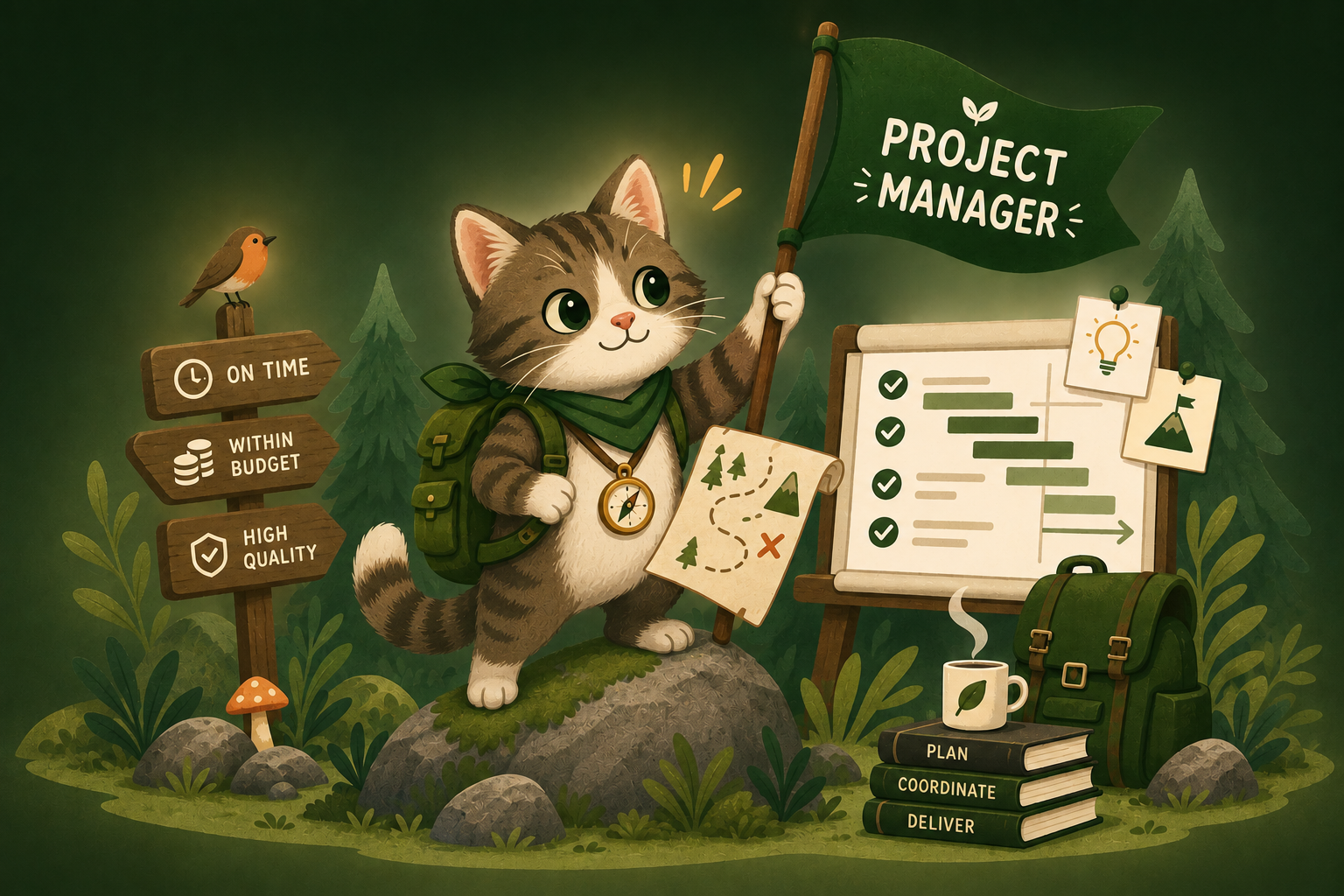
Project Manager
Oversee and guide the project from start to finish, on time, within budget, and to the required quality.
-
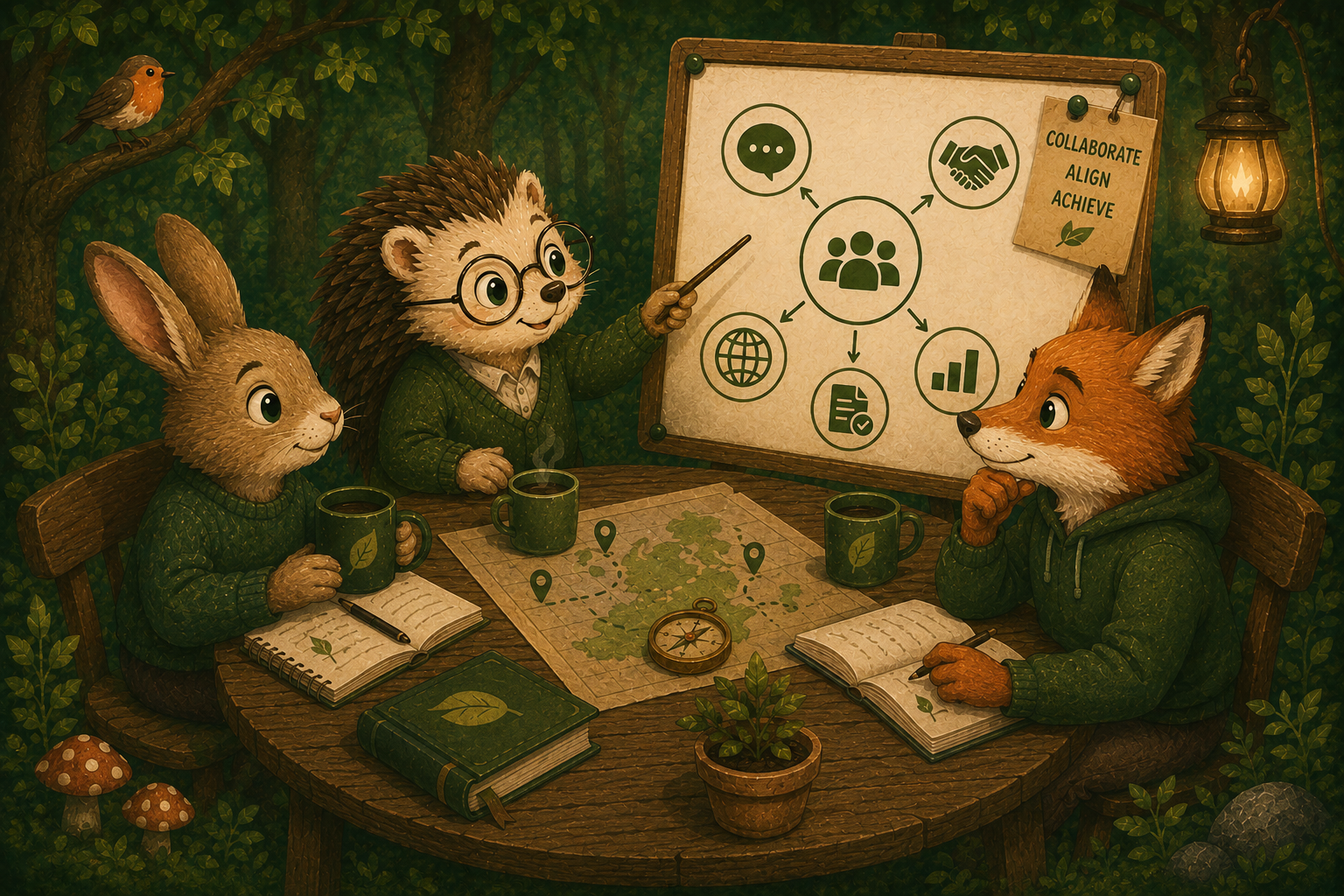
Internal stakeholders
Expertise, resources, and alignment with organisational goals.
-
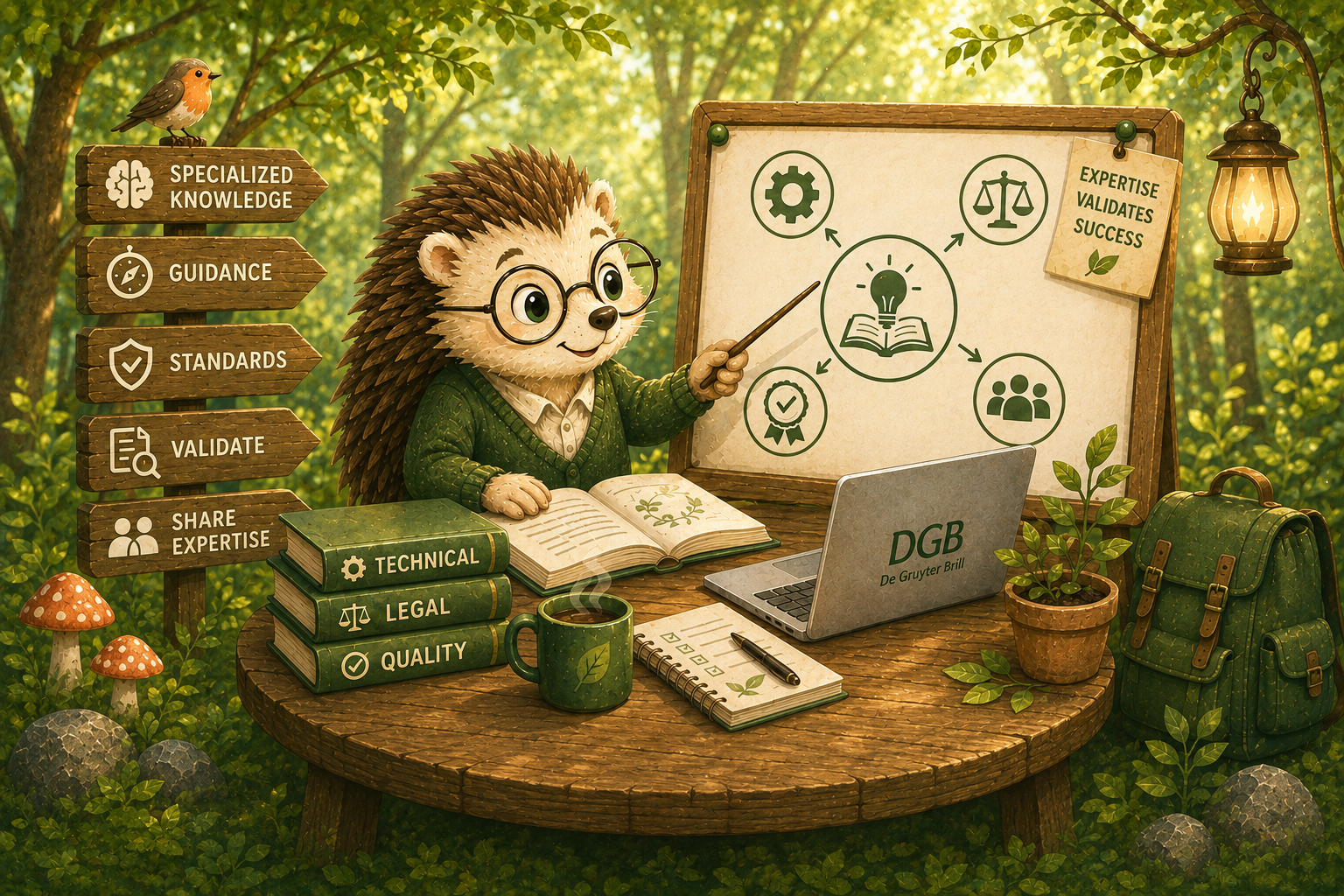
Subject matter experts
Specialised knowledge, validation of deliverables, and technical or quality standards.
-
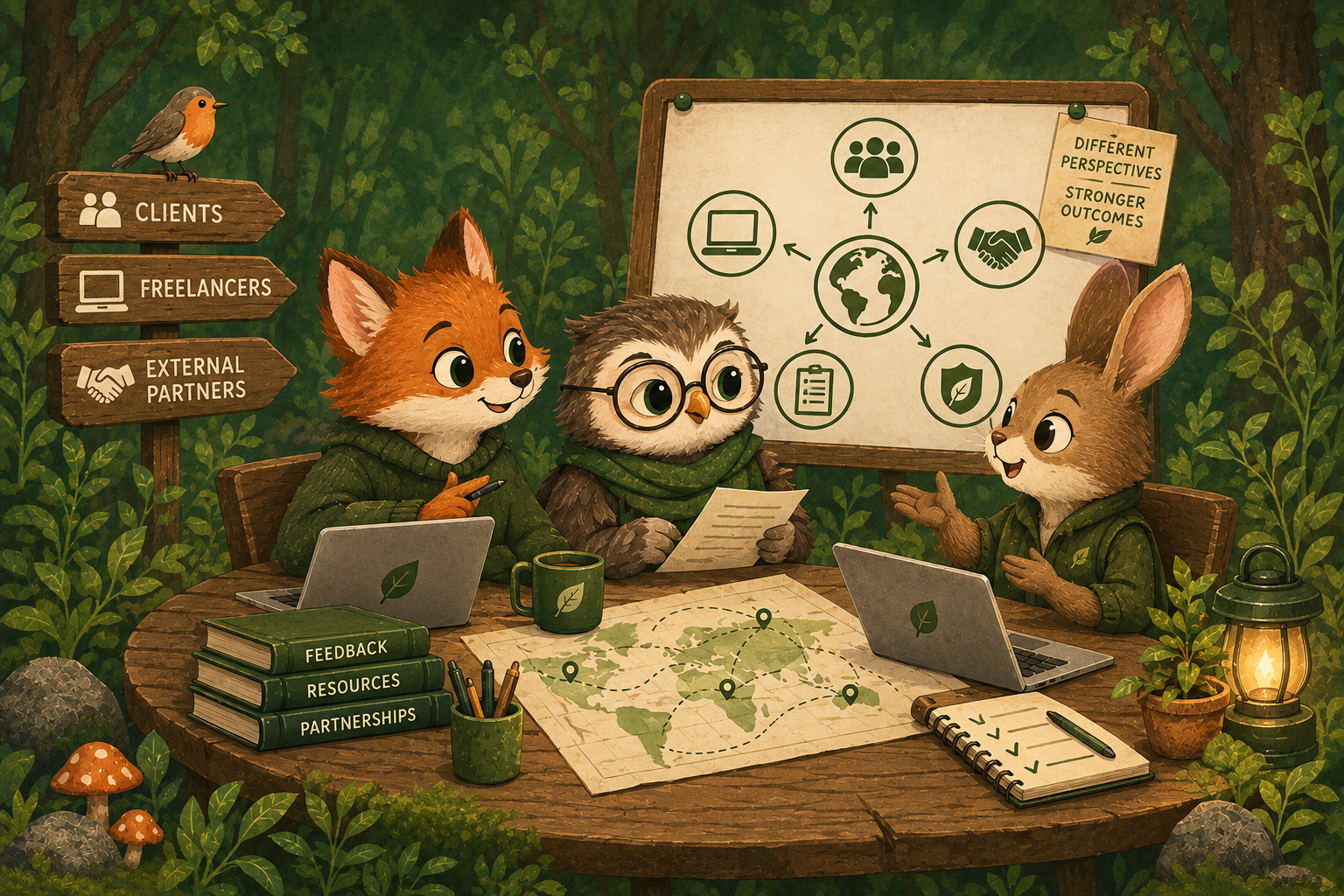
External stakeholders
Input, feedback, and expectations from outside the organisation.
My Contributions
- Led cross-functional coordination between production, data, and content teams.
- Defined project scope, goals, and governance in collaboration with sponsors.
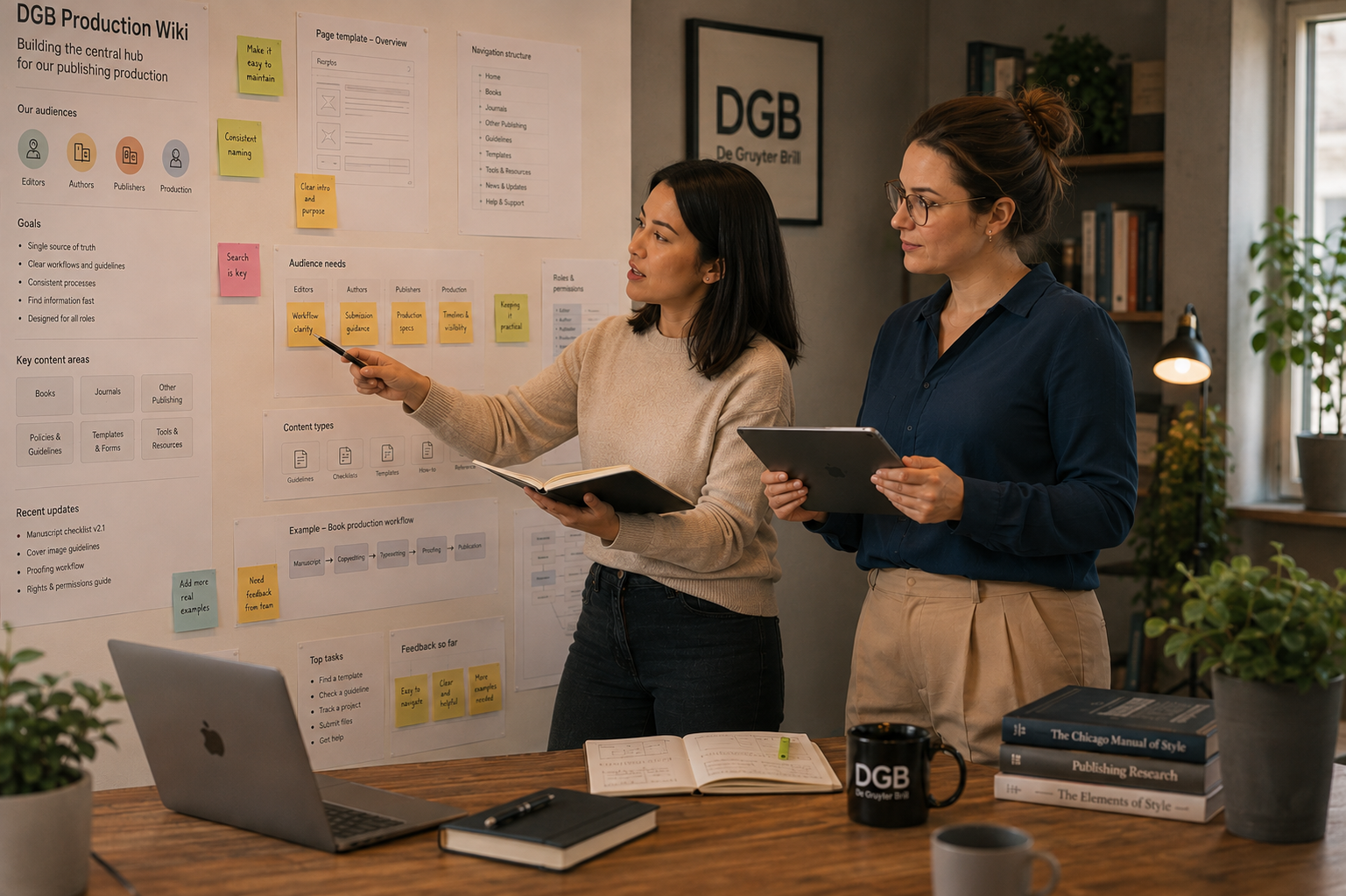
- Structured Confluence spaces and tagging for usability and long-term maintenance.
- Standardised communication and meeting cadence for multi-site alignment.
Outcomes & Improvements
- Unified documentation system replacing two outdated platforms.
- Clear editing and access model across internal and external stakeholders.
- Improved discoverability through tagging and navigation design.
The Process
Phases & methodology
The project followed a hybrid Agile–Waterfall approach, blending iterative development with the structured needs of a long-established organization. I led the discovery phase, researching and selecting Confluence as the platform, then designed and built the wiki in collaboration with stakeholders.
- Discovery: Evaluating platforms and defining the migration strategy.
- Build: Iterative design of the Confluence structure, with feedback loops.
- Launch: Testing access and usability before rollout.
Stakeholder collaboration
Coordinating between De Gruyter and Brill teams required balancing competing priorities, as this was a side project for most. To keep momentum:
- Held regular cross-team meetings (using Miro for visual collaboration) to align on decisions in real time.
- Worked closely with team leads to prioritize tasks and ensure progress during sessions.
- Key challenge: narrowing down legacy content—deciding what to migrate, edit, or retire.
Technical & structural decisions
- Structure: Adapted the logic of the old wikis to Confluence’s framework, testing multiple versions for usability.
- Governance: Retained the existing model—one core team owned content and access, with a Jira ticketing system for internal/external requests.
- Migration: Simplified by importing legacy content, then pruning outdated material.
Problem-solving
Access hurdles: Confluence wasn’t widely adopted internally, and external partners lacked Atlassian accounts (or budget for licenses).
Solution: Created shared generic accounts for external teams, balancing security and practicality.
Testing: Validated access and usability with a select group of internal and external users.
Tools & workflows
- Communication: Email, a Microsoft 365 internal page (single source of truth), and Jira for tracking.
- Transparency: The Microsoft 365 page was kept updated to reflect the latest decisions.
Lessons learned
- Flexibility is key: Hybrid methodologies helped bridge traditional and Agile workflows.
- Stakeholder buy-in: Proactive meeting planning kept the project moving despite time constraints.
- Unfinished work: Left before full implementation, but the foundation was set for a unified, scalable wiki.