Vision
To make Machelen’s digital services accessible to all citizens by identifying and addressing barriers in their public-facing pages, building internal capacity through training and hands-on experiences like the Empathy Lab, and embedding empathy and inclusion into the city’s digital culture.
Scope
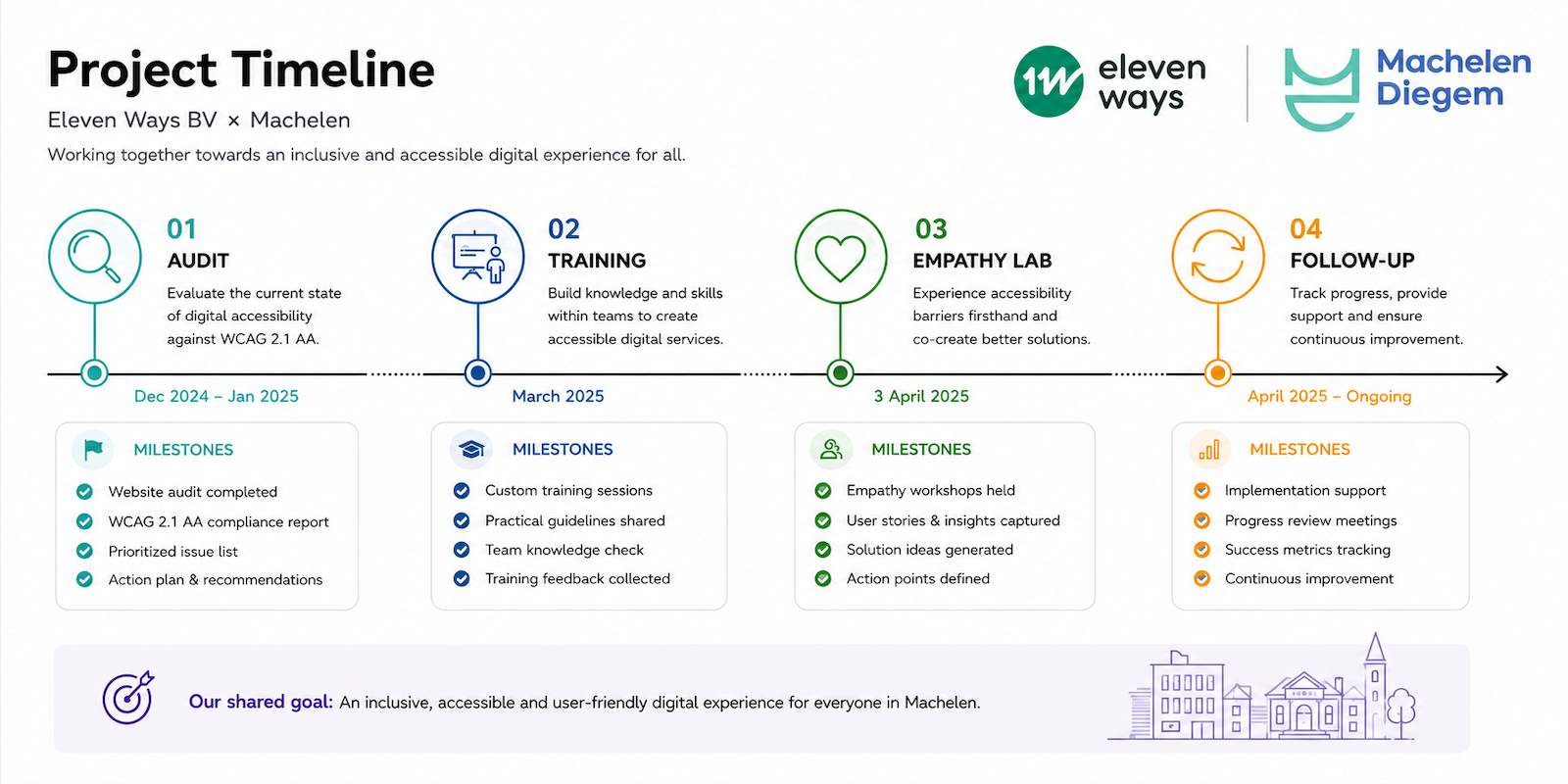
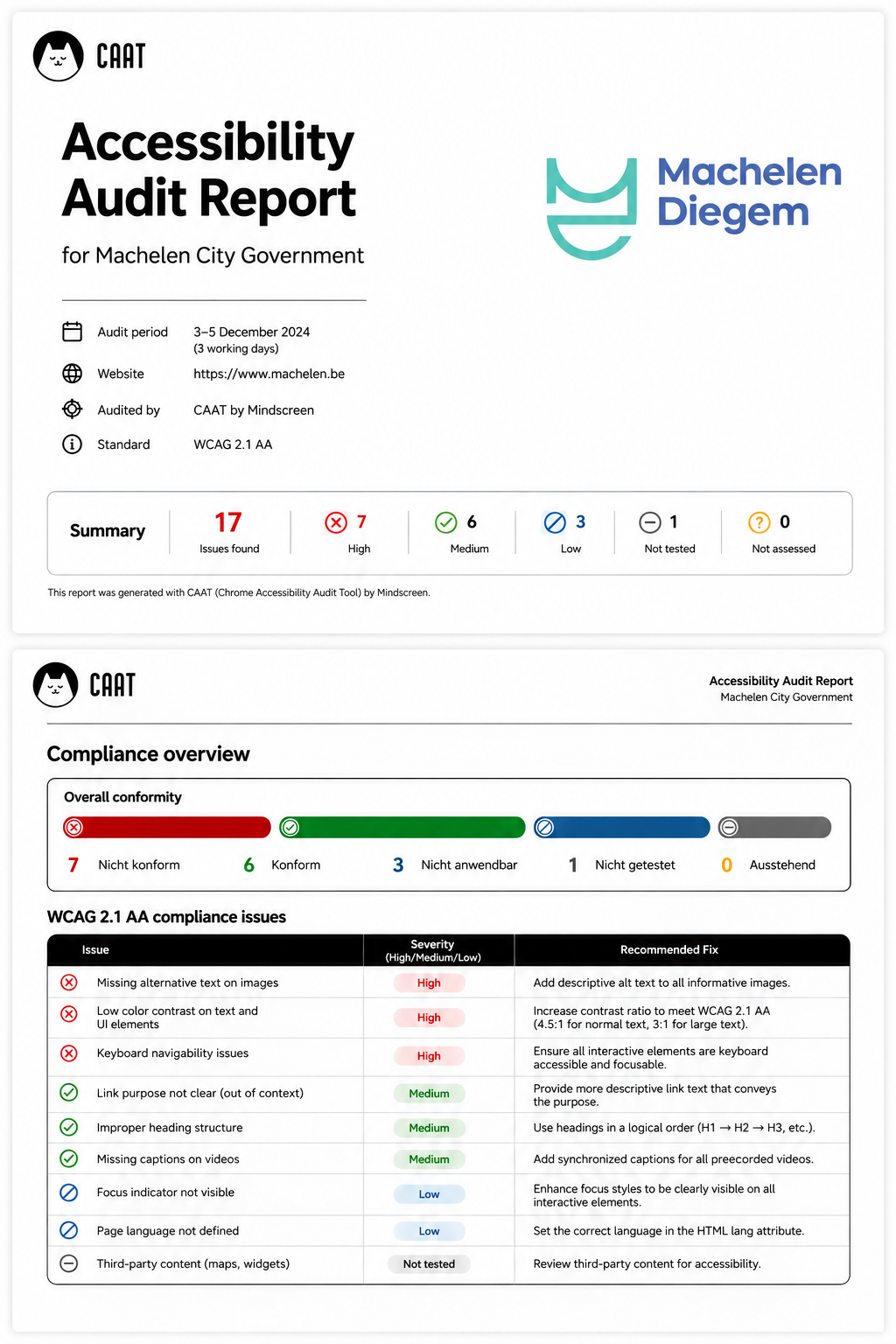
- Audit: Evaluated 10+ public-facing web pages for WCAG 2.1 AA compliance.
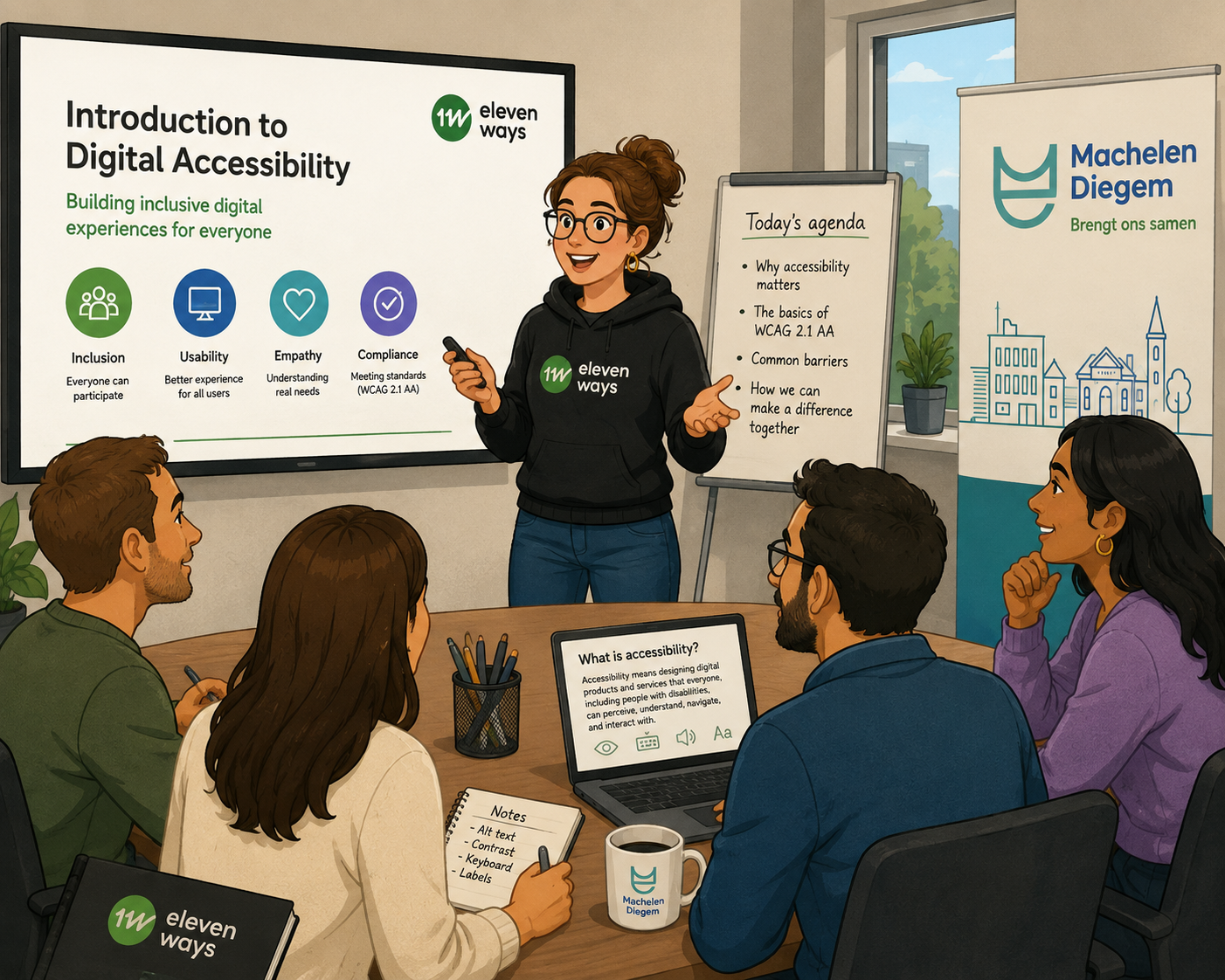
- Training: Conducted 3 workshops for 20+ city employees on accessibility best practices.
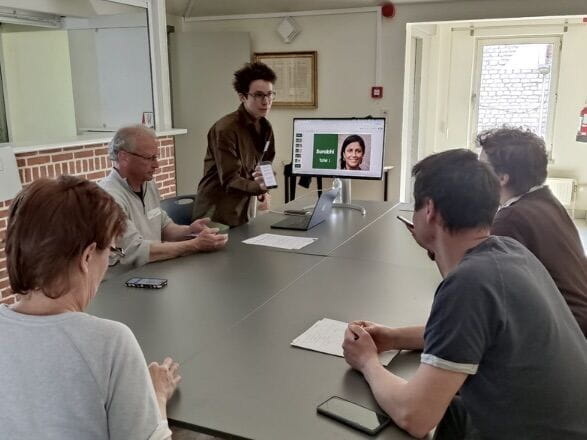
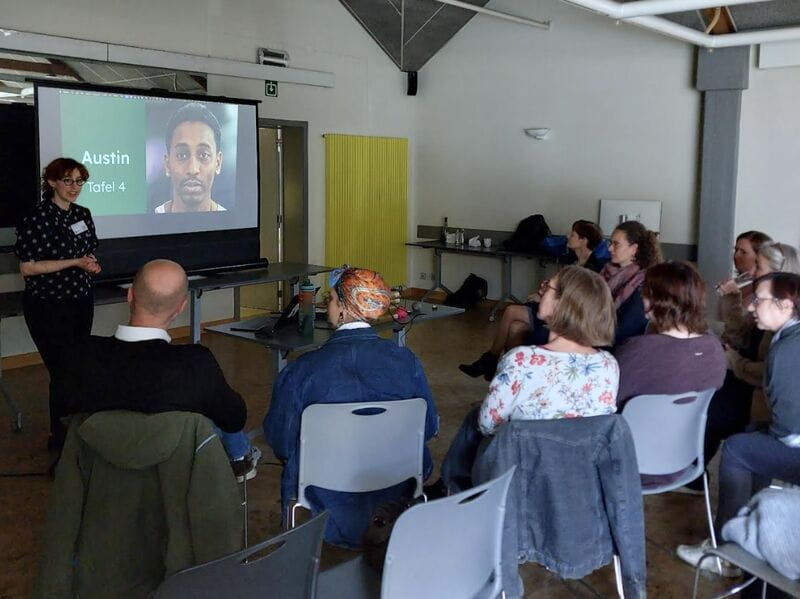
- Empathy Lab: Organized a half-day interactive session for 50 participants, including city officials and developers.
- Deliverables: Audit report, training materials, Empathy Lab workbook, and a post-project accessibility roadmap.
Goals
Short-term
- Identify and document accessibility barriers in Machelen’s digital properties.
- Train the city’s team to recognize and address common accessibility issues.
Long-term
- Foster a culture of inclusion within Machelen’s digital teams.
- Ensure sustained compliance with accessibility standards post-project.
The Work
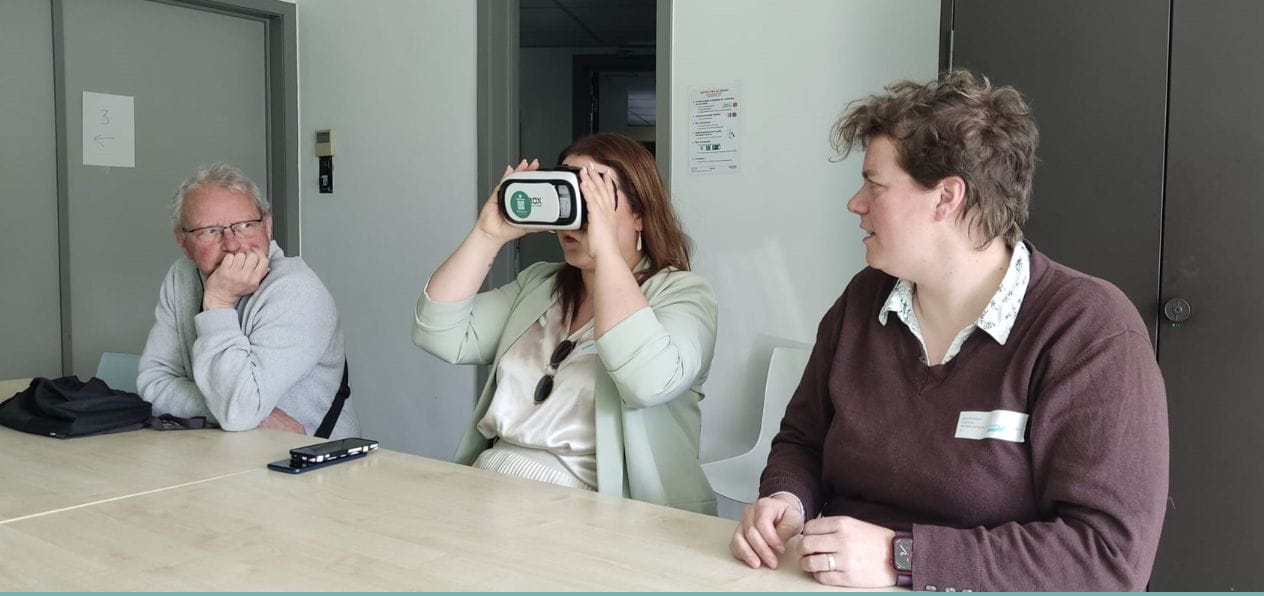
Some photos of the Empathy Lab.
The Team
-
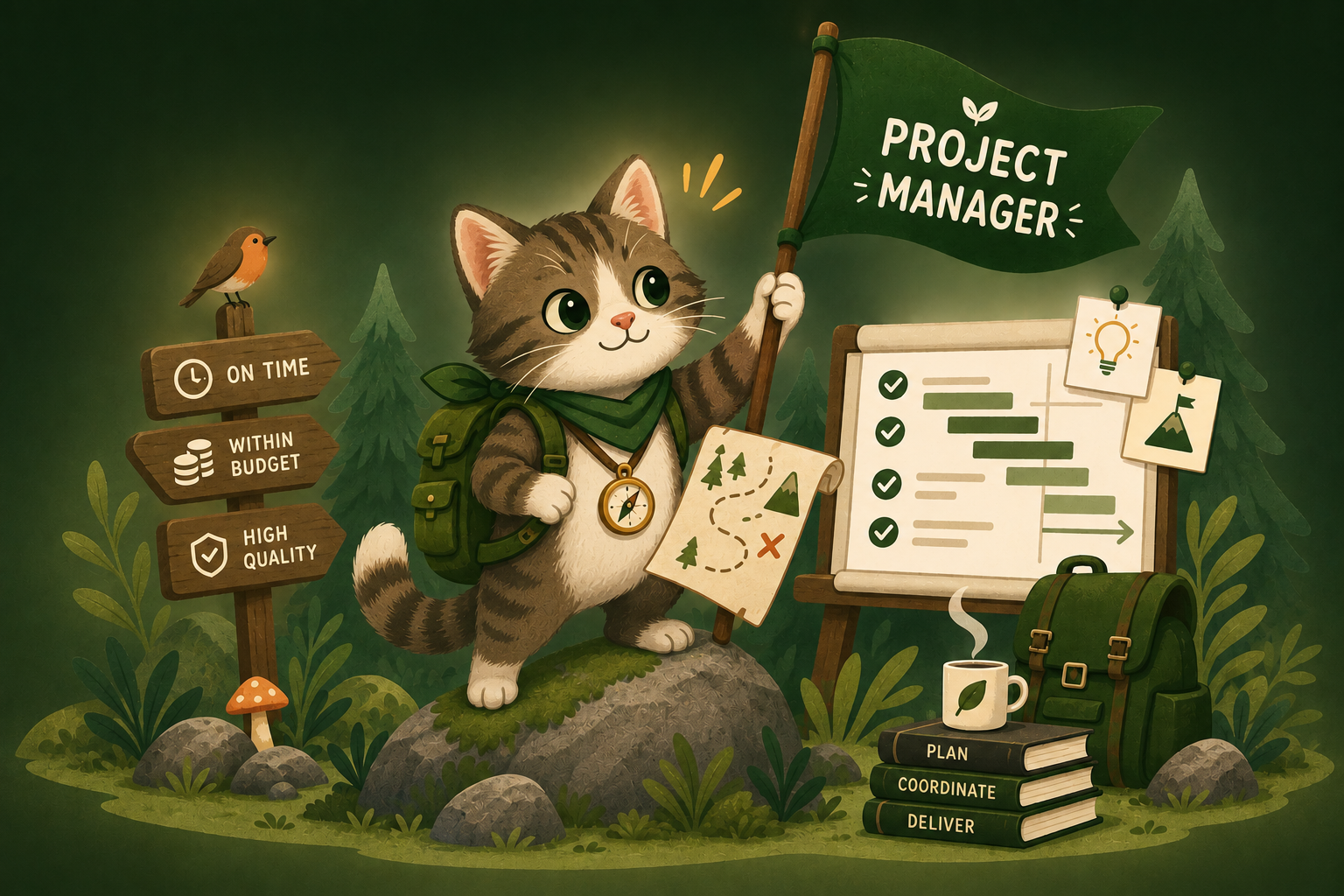
Project Manager
Oversee and guide the project from start to finish.
-
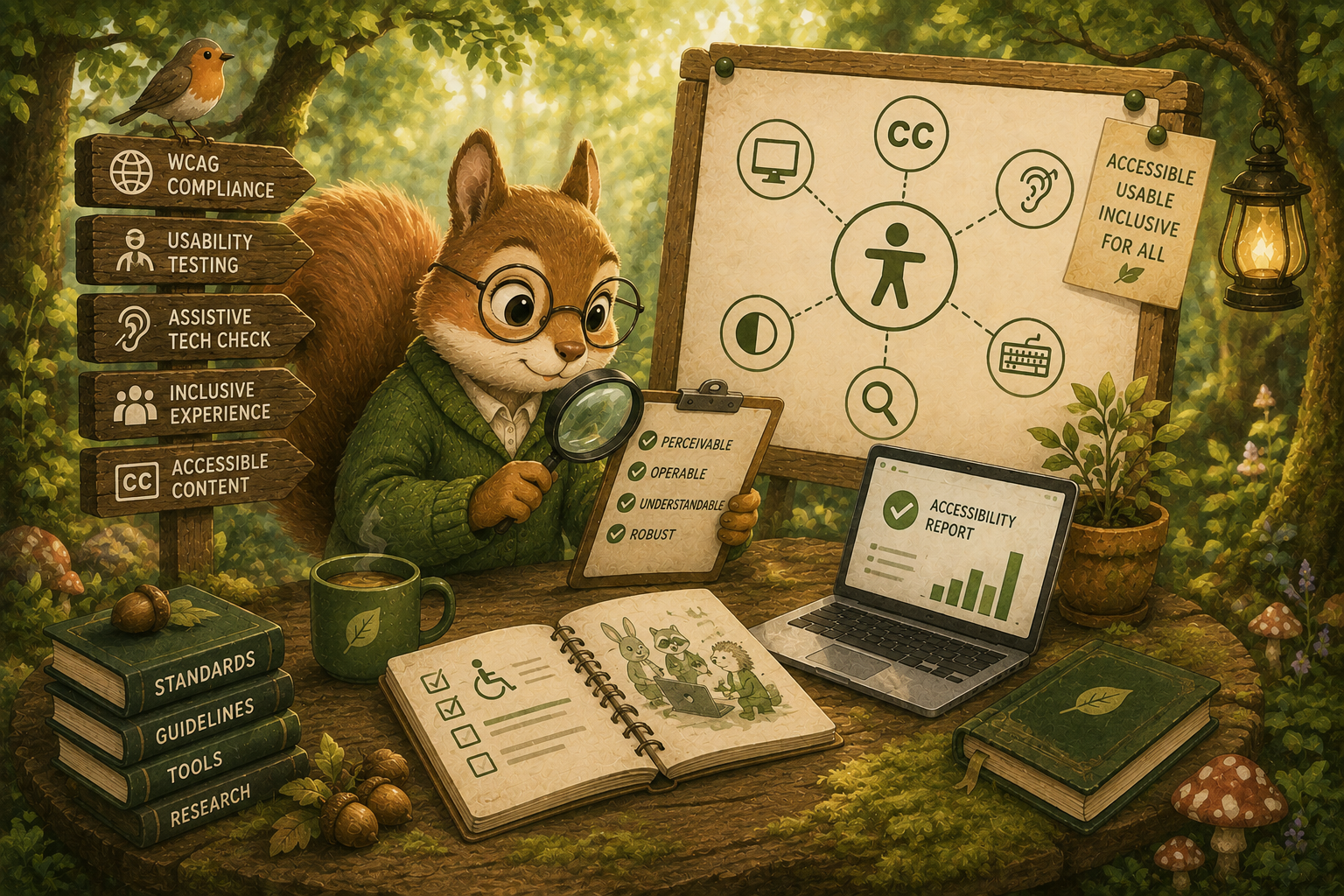
Accessibility auditor
Compliance with accessibility standards and usability for all users.
-
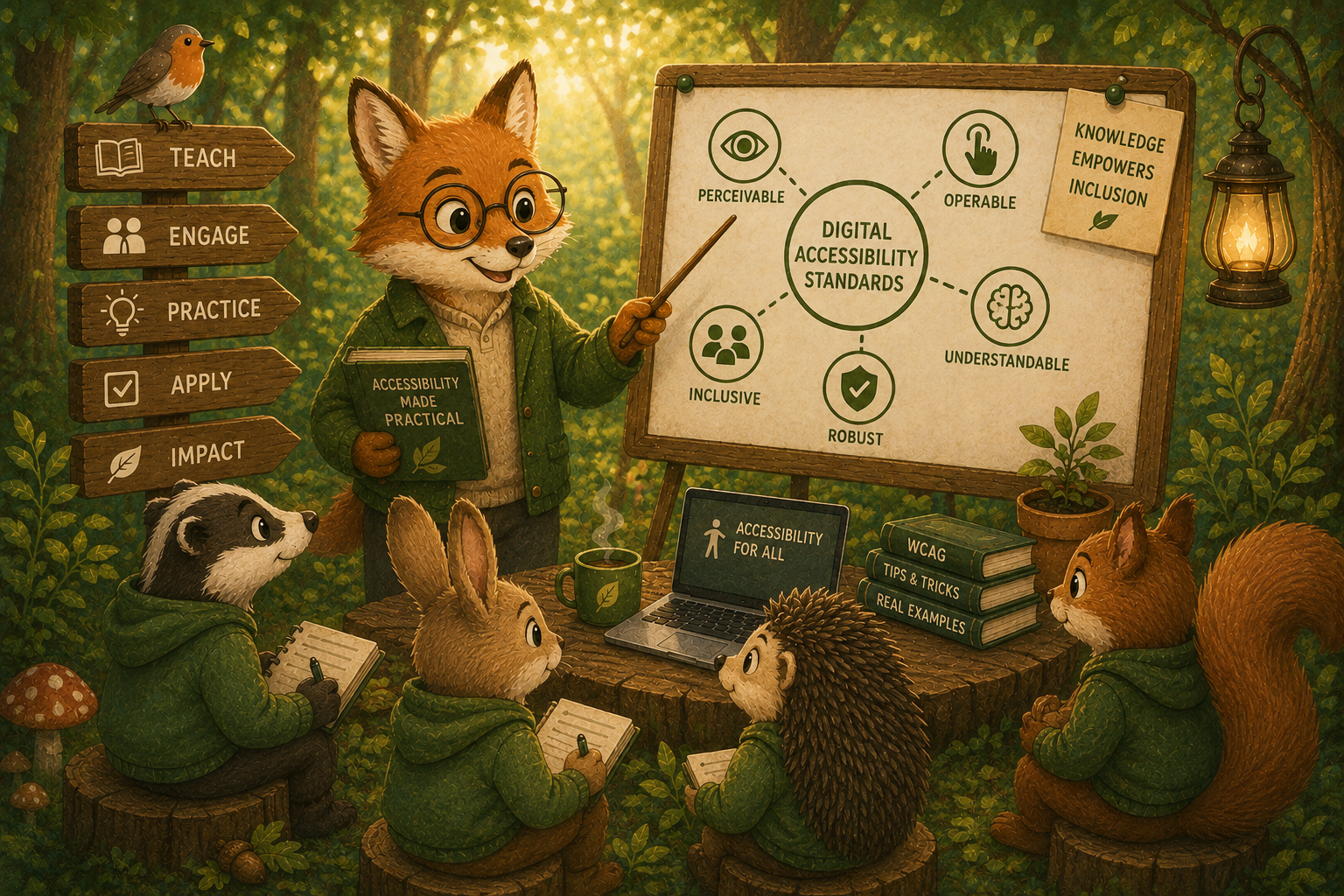
Trainers
Educate the client on digital accessibility standards and practical implementation.
-

Client stakeholders
Requirements, approval, and alignment with organisational goals.
My Contributions
- Stakeholder management: Worked closely with Machelen’s IT and communications teams to align the project with their goals.
- Process design: Created the project timeline, assigned tasks, and ensured deadlines were met.
- Quality assurance: Reviewed audit findings and training materials for accuracy and relevance.
Outcomes & Improvements
- Delivered a comprehensive audit report identifying accessibility issues in Machelen’s public pages, along with a prioritized roadmap for addressing them.
- Received positive feedback from Machelen’s team on the training and Empathy Lab, with requests for follow-up sessions.
- Increased awareness of accessibility within the city government, leading to the adoption of inclusive design practices.
The Process
Phases & methodology
- Discovery & planning: Partnered with Machelen’s IT and accessibility experts to define the project scope, navigating unclear initial expectations. Facilitated multiple meetings to align their goals with the budget and our team’s capabilities, ultimately agreeing on a balanced approach.
- Audit coordination: Oversaw the accessibility audit conducted by Eleven Ways, using a mix of automated tools (WAVE, axe) and manual testing. Ensured the structured report was delivered on time and met client needs.
- Training & Empathy Lab logistics: Managed the design and delivery of several training sessions tailored for managers and front-end developers. Organized a half-day Empathy Lab for 50 participants, using personas to introduce disabilities and needs in an accessible, non-technical format.
- Delivery: Coordinated the compilation of the final report, training materials, and Empathy Lab takeaways, ensuring they were actionable and aligned with Machelen’s goals.
Stakeholder collaboration
- Acted as the primary liaison between Eleven Ways and Machelen, translating technical constraints and opportunities into clear options for the client.
- Key challenge: The scope and services were initially undefined, requiring extensive negotiation to balance Machelen’s expectations with the project budget.
- Solution: Proposed practical adaptations (e.g. prioritizing high-impact audit areas, streamlining training content) that the client accepted, despite their desire for a broader scope.
Problem-solving & adaptations
- Scope management: Navigated ambiguity by iteratively refining deliverables through client meetings.
- Resource coordination: Ensured the Eleven Ways team had access to Machelen’s systems and context, while keeping the project within budget.
- Quality control: Reviewed all deliverables for accuracy, relevance, and usability before handoff.
Tools & workflows
- Audit tools: WAVE, axe (automated and manual testing).
- Project management: Notion internally, and shared drives to track progress, deadlines, and stakeholder feedback.
- Communication: Continuous mail and phone communications with the client.
Lessons learned
- Client alignment: Frequent syncs were critical to clarify expectations and adapt the project scope collaboratively.
- Flexibility: Successfully balanced client desires with budget constraints, reinforcing trust through transparency.
- Impact: Positive feedback from post-training and Empathy Lab surveys confirmed the value of the tailored approach.